To achieve this goal, Bridge Africa and the GIZ project team agreed on September 29 2021 to complete the following strategic activities, within 24 expert days: develop a website template to connect 500 artisans on bridgeafrica.com, as well as a network account regrouping all actors of the project; identify 500 artisans for the project; develop a training curriculum; train the project’s human resource; implement 6 mass trainings, carry out face to face with the top 100 artisans; engage marketing; and cooperate with partners.
Originally, we had to organise general mass trainings for 500 artisans, and later on implement specialised face-to-face trainings with the top 100. However, MINEFOP and GIZ thought it would be best to do face-to-face with all 500 artisans, in addition to the specialised face-to-face follow ups with the top 100. This resulted in an increase of our workload to 10,000% (this can be gotten following the formula: Increase [505-5] / Original Number [5] × 100). To complete all activities with the changes, the project expert days was increased to 40, in which we successfully implemented the following:
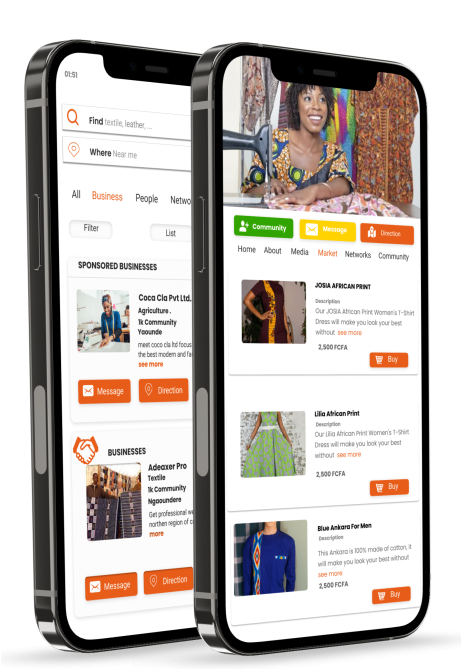
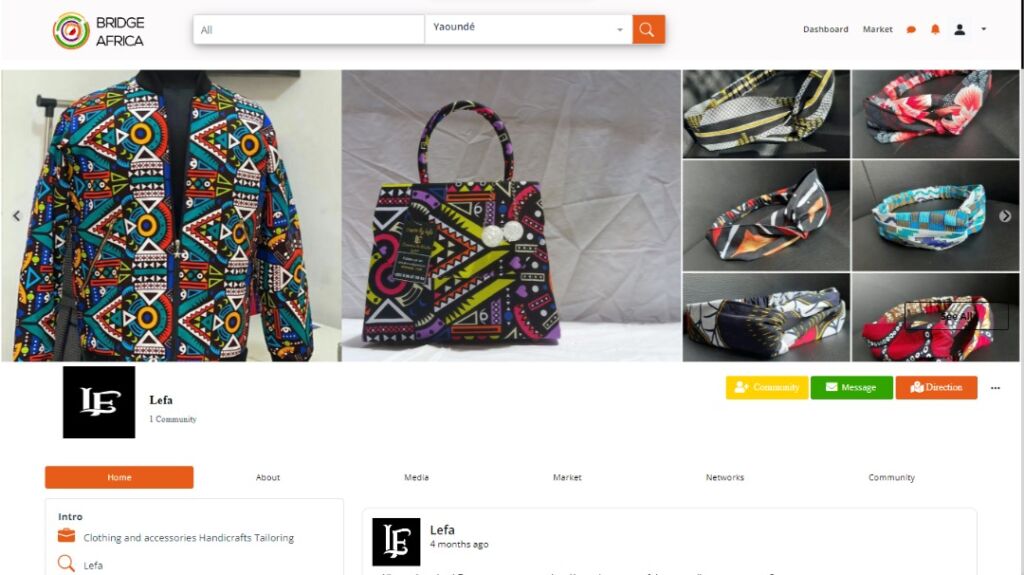
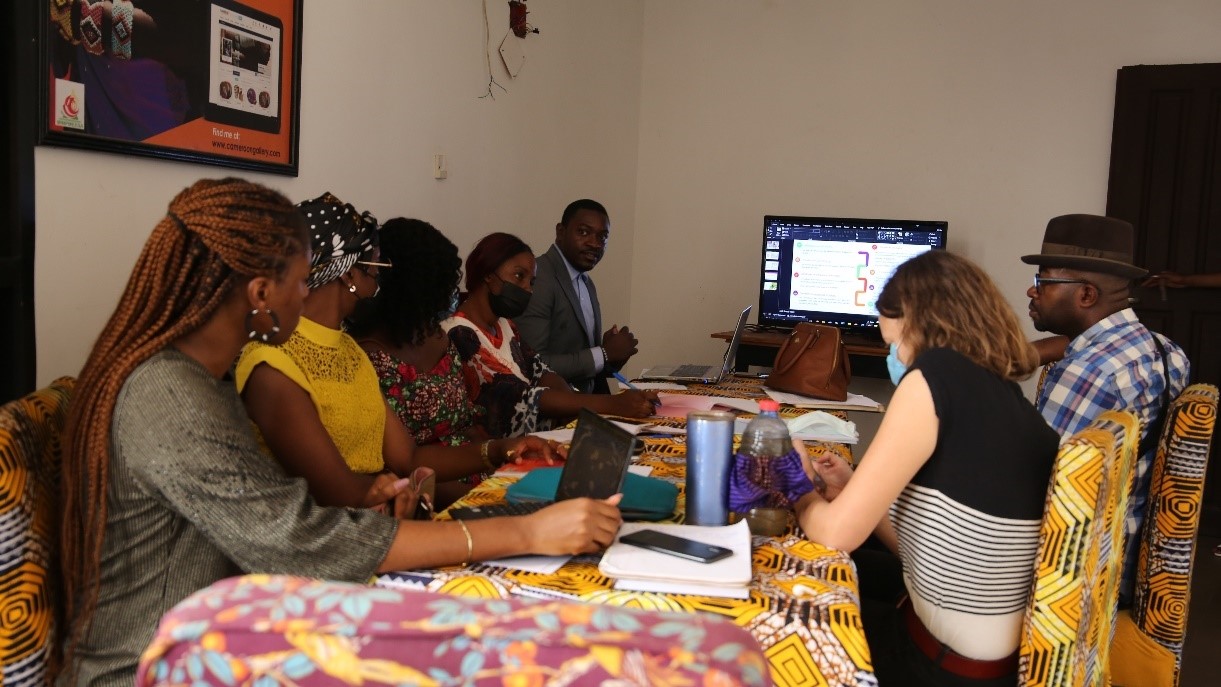
We successfully completed tech development, where we built a website template to connect all 500 artisans on bridgeafrica.com. We also built a network account regrouping all actors of the project, which enables artisans and the ProCoton team to easily communicate with one another. We also compiled a list of 500 artisans, moving to surrounding villages to have a diverse demographics such as dyers, weavers, tailors, embroiderers and designers. We further produced 15 training modules in English, French and Fulfulde, in video, audio and written formats, aimed at supporting artisans’ integration into the digital economy. We educated 32 coaches and 5 managers on how to leverage bridgeafrica.com to digitalise artisans.
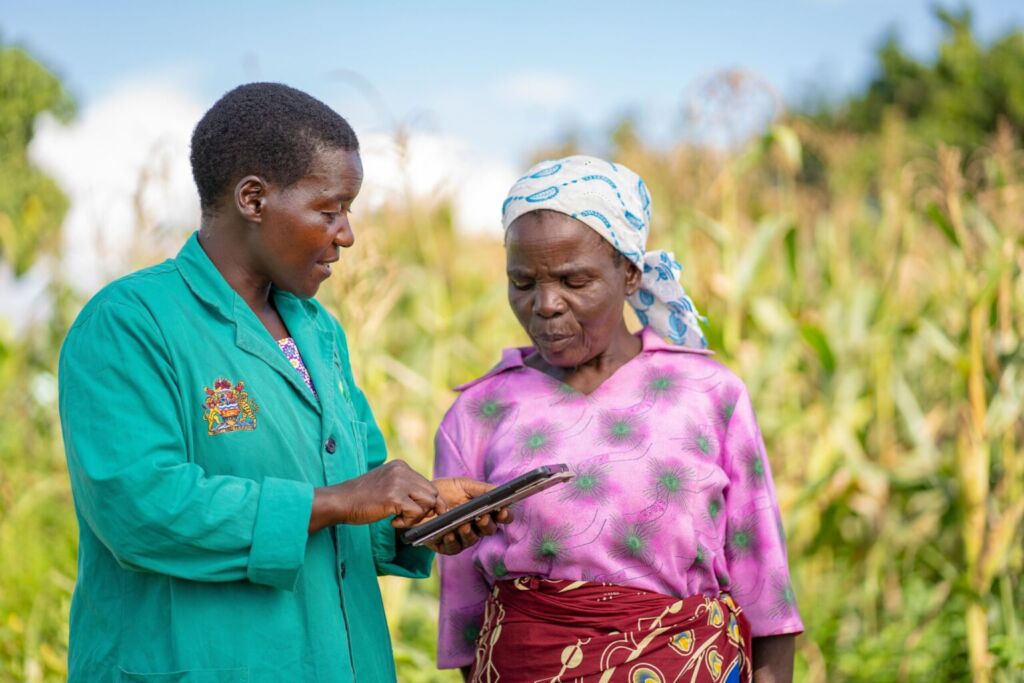
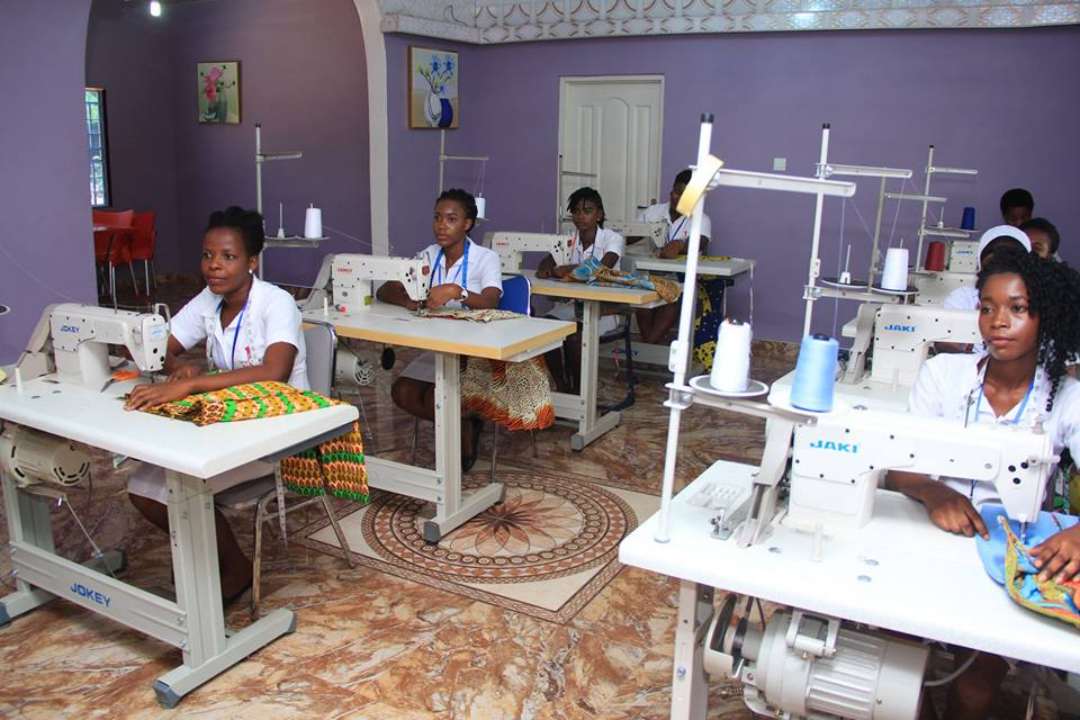
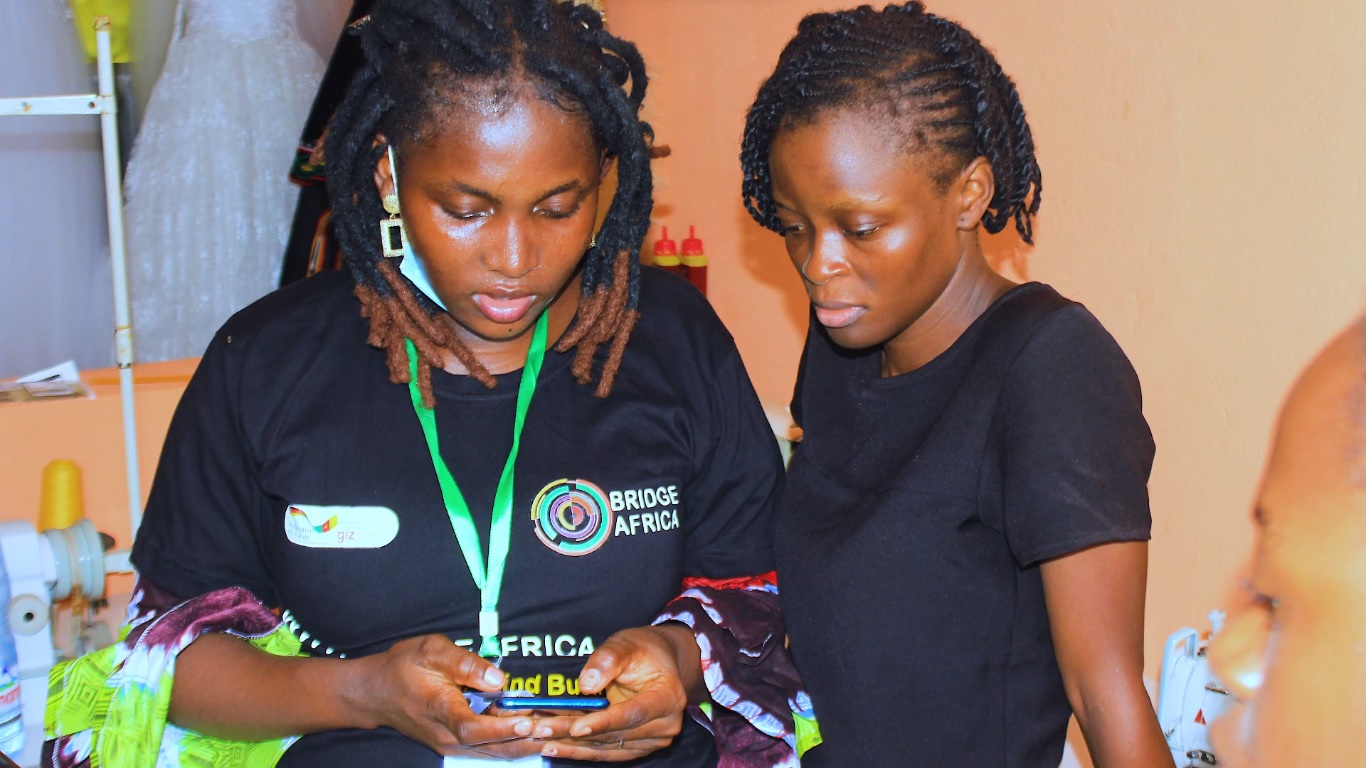
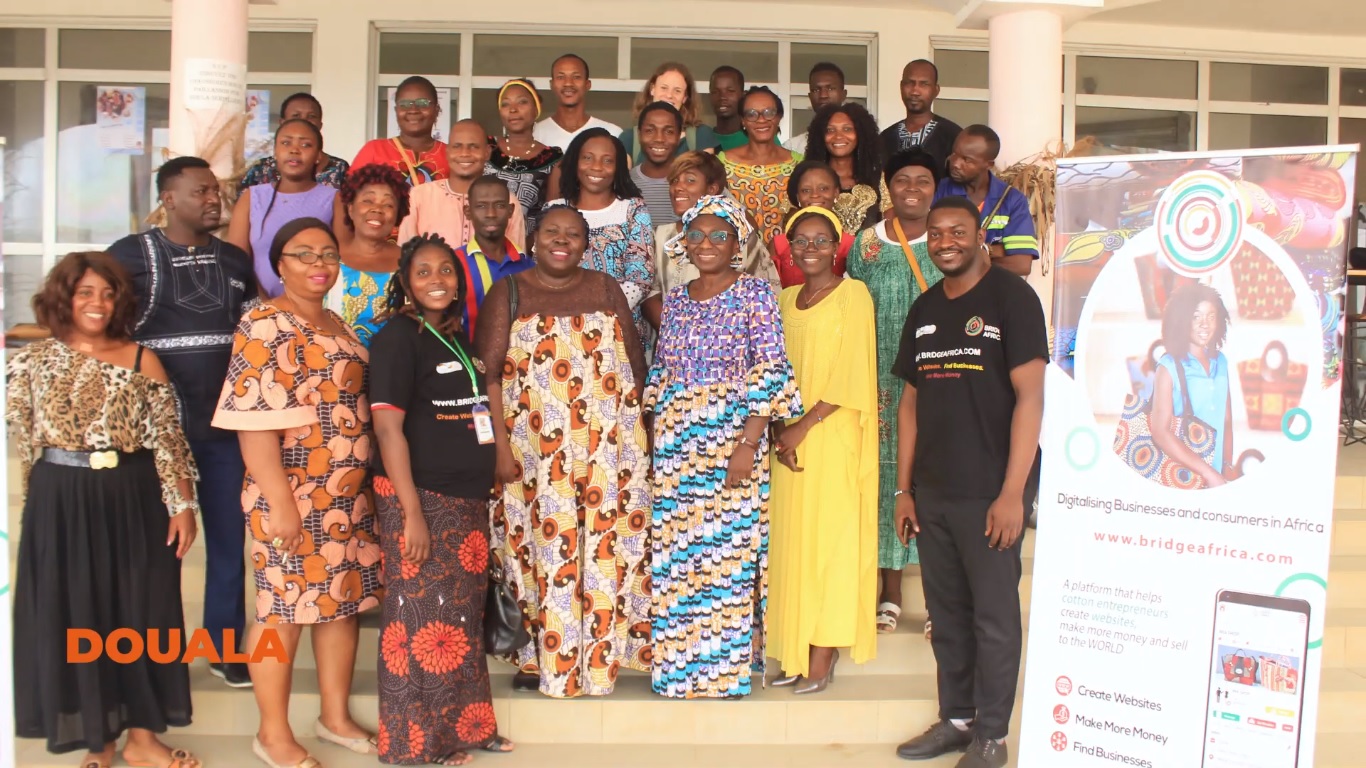
In addition, we completed face to face trainings with all 500 artisans, during which coaches met with each artisan at their business premises, worked with them to create their websites, assemble original product content, and summarily explain 6 selected modules. We also organised 5 mass trainings (Douala, Bafoussam, Ngaoundere, Garoua and Maroua), during which artisans were invited for workshops on digital literacy and entrepreneurship.
We followed up the top 100 artisans, who worked with coaches on a one-on-one basis to receive deeper trainings on entrepreneurship concepts like book keeping, financial opportunities, business registration, developing competitive products. We also boosted the integration of 20 artisans into the digital economy by having their products on Etsy.
To increase the visibility of the project and its artisans, we deployed an integrated marketing campaign consisting of TV (where we produced 6 episodes of Biz Konnect to be displayed on CRTV on Wednesdays from 11 AM); content creation on social media (where we produced 60 pieces of multimedia content), and printed material (flyers, t-shirts, stickers).
Finally, we implemented a cross-sector collaboration by working with ministerial bodies like MINPMEESA, MINAC and MINEFOP; as well as artisanal bodies like CCMTB, CAWEECO, and AWLO.
Why Bridge Africa was Chosen
Bridge Africa was hired for several reasons. For one, our solution, bridgeafrica.com, is sustainable, sparing users from worrying about huge financial costs and losing their sites due to hosting and domain name issues, as is the case with WordPress sites and others. In fact, hiring a developer to create an individual website for each of the 500 artisans would have cost around 400,000 CFA per website, equalling 200,000,000 CFA. This is without including the around 150,000 CFA required to maintain the site and pay hosting fees every year (75,000,000 CFA). As such, without using bridgeafrica.com, the project would have spent around 275,000,000 CFA just for web development.
Secondly, users won’t have to worry about security breaches as the platform has been rebuilt using latest technologies. Thirdly, the platform is also a social network enabling exchange between SMEs and customers (B2C), as well as other SMEs (B2B).
For sustainability, Bridge Africa has decided to give a five-year guarantee, during which all 500 websites and the network account will be kept online and maintained.